How Salt Air Affects Your Home—and What You Can Do About It

December 4, 2025

how salt air impacts wood, metal, and paint—and how Liz Carpentry can help protect your home

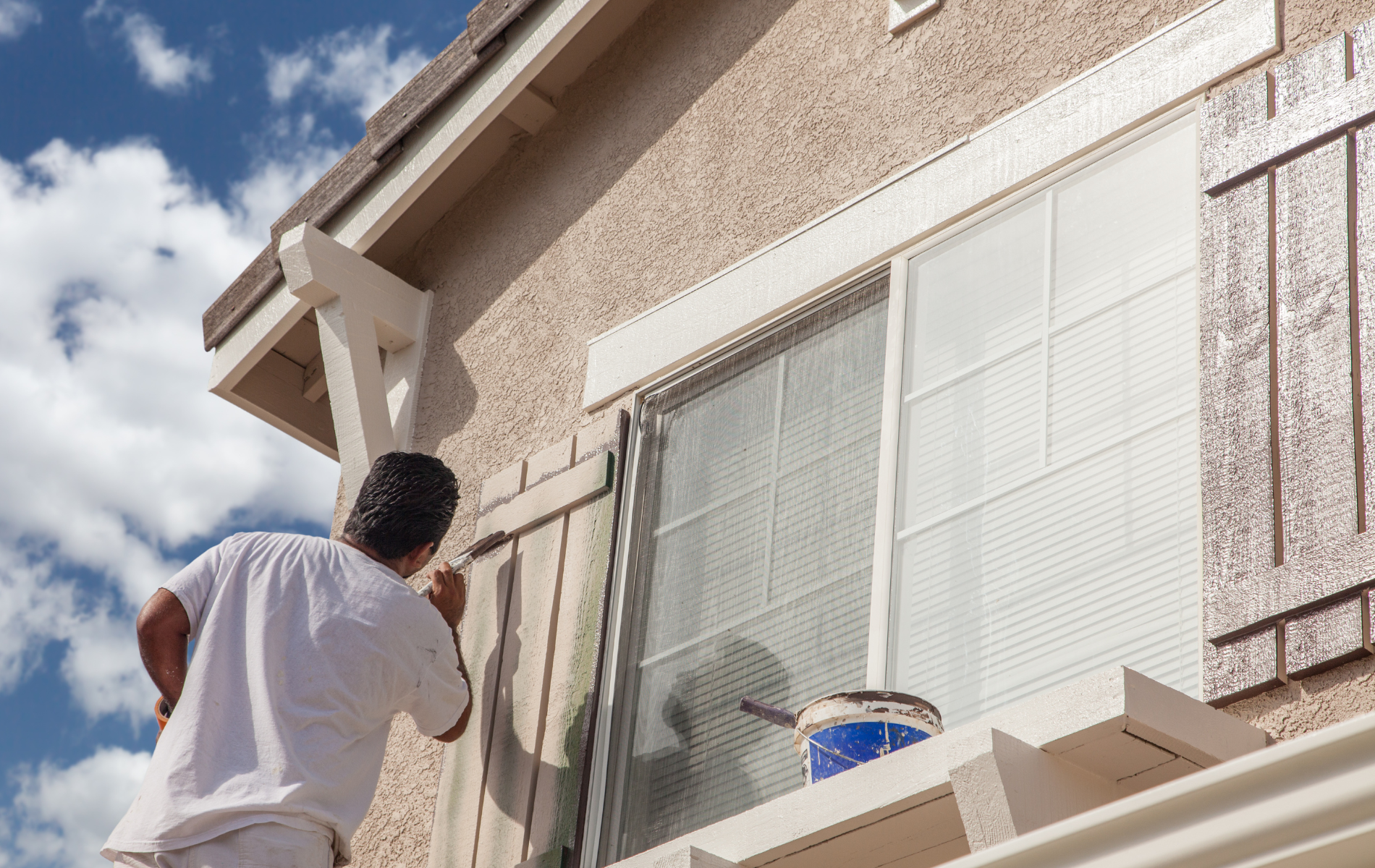
Person painting wooden shutter on a house, blue sky background.

Life in the Florida Keys means ocean breezes, tropical views, and outdoor living. But along with the beauty comes one hidden challenge every homeowner should take seriously: salt air.

Whether you live right on the water in Key West or further inland on one of the islands, salt air plays a slow but steady role in the deterioration of your home’s materials. At Liz Carpentry, we’ve spent decades helping homeowners prevent and repair salt air damage with smart construction methods, materials, and maintenance strategies.

Here’s what you need to know—and what you can do to protect your property.

Why Is Salt Air So Damaging?

The Florida Keys sit in a high-salinity environment. Salt is naturally carried through the air from the ocean in the form of fine mist and airborne particles. This salty moisture clings to every exterior surface and even penetrates indoor environments over time.The Florida Keys sit in a high-salinity environment. Salt is naturally carried through the air from the ocean in the form of fine mist and airborne particles. This salty moisture clings to every exterior surface and even penetrates indoor environments over time.

Salt Air = Constant Corrosive Exposure

It leads to:

  • Metal corrosion and rust

  • Paint peeling and blistering

  • Wood rot and warping

  • Sealant breakdown

  • Glass etching

  • Accelerated aging of windows, doors, hardware, and more

Over the years, even the best-built homes can show signs of deterioration—unless steps are taken early.

Most Vulnerable Parts of a Coastal Home

While salt air affects the entire structure, these areas are especially at risk:

1. Windows and Doors

Frames, hinges, locks, and seals all take a beating. If not made from impact-rated, corrosion-resistant materials, your windows and doors may degrade quickly.

2. Exterior Paint and Siding

Salt breaks down paint binders, leading to fading, chalking, and peeling. Wood siding may absorb moisture and warp or rot.

3. Hardware and Fasteners

Nails, screws, light fixtures, cabinet hinges, and railings may rust if not made from stainless steel or coated metals.

4. Decking, Railings, and Trim

Outdoor wood features—especially if untreated—will absorb salt moisture and deteriorate quickly in the heat and humidity.

How to Prevent Salt Air Damage

At Liz Carpentry, we use coastal construction strategies on every project. Whether it’s a full home renovation or a small cabinetry job, we make choices that preserve value and reduce maintenance.

1. Use Salt-Resistant Materials

  • PVC or fiber cement trim instead of wood

  • Pressure-treated or marine-grade plywood

  • 316 stainless steel fasteners

  • Impact-rated windows with vinyl or aluminum-clad frames

  • Salt-resistant exterior paints and primers

2. Regular Maintenance & Cleaning

  • Rinse exterior surfaces with fresh water every few weeks

  • Clean windows, railings, and hardware regularly

  • Apply UV- and moisture-resistant sealants to decks and siding

  • Touch up paint before it begins to flake

3. Choose the Right Paints and Coatings

We always recommend elastomeric coatings or marine-grade paint systems for exterior wood and stucco. These products form a flexible barrier that resists cracking and salt intrusion.

Repairing Salt Air Damage

If you’ve already noticed signs of salt exposure—peeling paint, rust spots, swollen doors, or wood discoloration—it’s not too late.

Our team can help:

  • Rebuild or replace damaged trim and siding

  • Repaint using coastal-grade coatings

  • Install stainless steel hardware and hinges

  • Replace rotted framing and deck structures

  • Upgrade to hurricane-impact windows and doors with corrosion-resistant components

We don’t just repair—we fortify your home for years to come.

What Our Clients Say

“We didn’t realize how badly the salt air had damaged our porch railings until they started falling apart. Liz Carpentry rebuilt everything with better materials and it still looks perfect two years later.”
“Our exterior paint was constantly peeling. Miguel’s team stripped it down, sealed it properly, and now we don’t worry about it every season.”

Building Smarter in the Keys

Here’s how we help clients build and remodel homes that stand up to salt air:

Smart Framing & Finishes

We use pressure-treated lumber in structural areas and wrap trim with synthetic or cement-based materials that won’t absorb salt moisture.

Protected Hardware & Fixtures

From cabinet handles to deck railings, we choose stainless, galvanized, or powder-coated hardware to extend the lifespan of your investment.

Coastal Coating Systems

Our painting process includes power washing, surface prep, marine-grade primers, and multiple coats of UV- and salt-resistant paint.

Salt Air Is Inevitable—Damage Doesn’t Have to Be

Living near the water comes with trade-offs. But with smart design, regular maintenance, and high-quality materials, you can keep your home looking and performing its best—even in the heart of the Florida Keys.

📞 Call Liz Carpentry at (305) 294-5861
✉️
Email: office@lizcarpentry.com
📍
Visit us on Google Maps

Let’s protect your home—beautifully and professionally.

Person using a laptop at a woodworking table with tools and wood planks.
January 5, 2026
Here’s what it’s like to work with Liz Carpentry in the Florida Keys—from your first consultation to the final walkthrough.
Blueprint with tools: drill, nails, level, and tape measure on a wooden surface.
December 19, 2025
Living small in the Keys? Discover 5 smart remodeling ideas to make your Key West home feel bigger—without building an addition.
Person wearing a mask and hat cleaning a multi-pane window.
November 17, 2025
Live in Key West? Discover why hurricane impact windows and doors are essential for safety, code compliance & peace of mind.
SHOW MORE