Remodeling a Historic Conch House: Permits, Preservation & Smart Modern Updates in Key West
Conch House Renovation Key West Guide
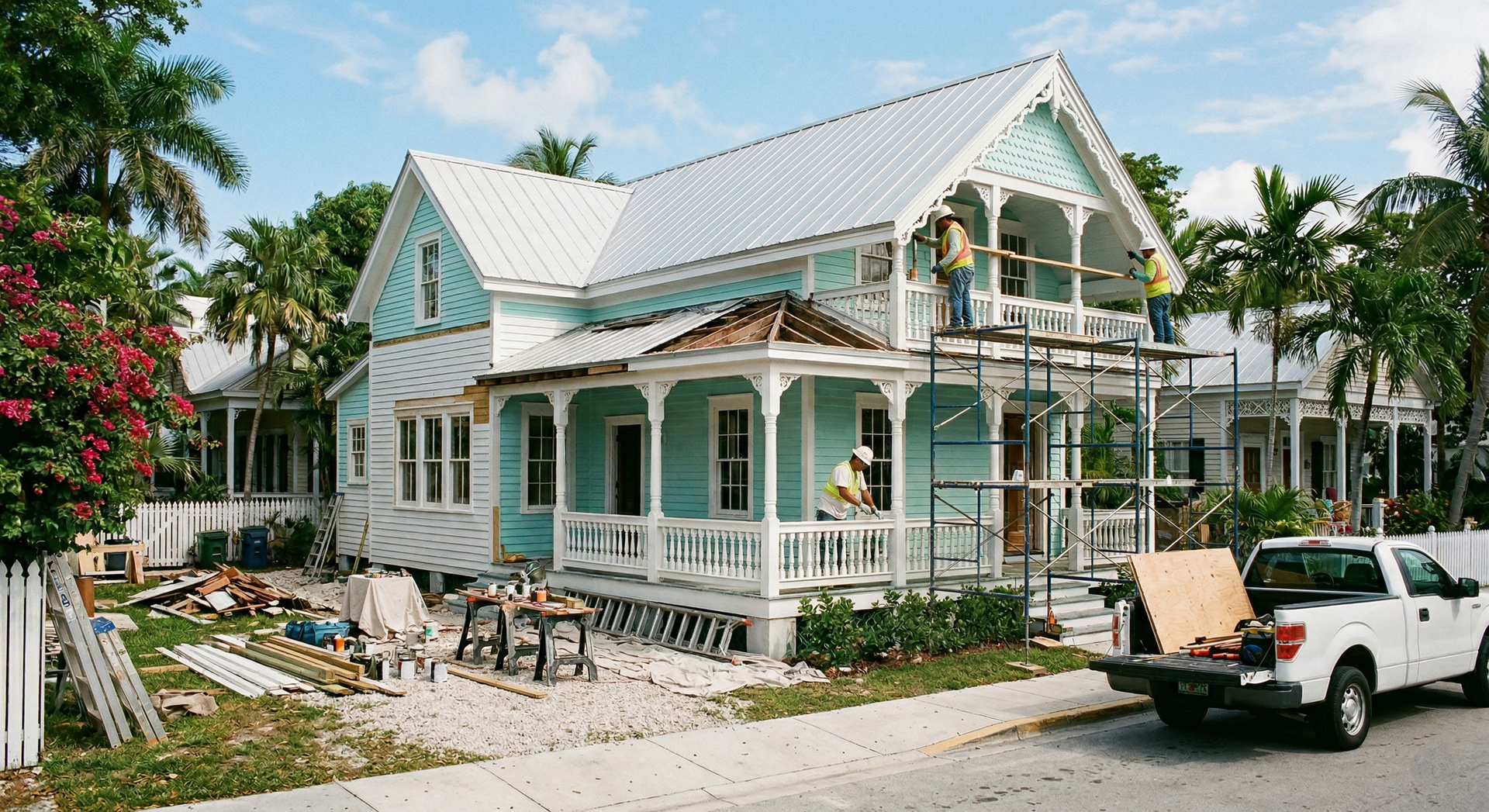
Historic Conch houses are one of the most iconic architectural features in Key West. With their wood-frame construction, tin roofs, wide porches, and raised foundations, these homes represent the island’s cultural and architectural heritage. But while they offer unmatched charm, they also present unique challenges when it comes to remodeling.
If you own a Conch house in Old Town or within one of Key West’s historic districts, renovations require careful planning, proper approvals, and a contractor who understands preservation guidelines.
At Liz Carpentry, we specialize in remodeling historic homes while maintaining their original character. Here’s what you need to know before starting your Conch house renovation in 2026.
What Makes a Conch House Unique?
Before remodeling, it’s important to understand what defines this style of home.
Traditional Conch houses typically feature:
- Wood-frame construction
- Elevated foundations for airflow and flood protection
- Metal (often tin) roofs
- Tall ceilings
- Large double-hung windows
- Covered porches or “galleries”
- Narrow footprints with shotgun-style layouts
Many were built in the late 1800s and early 1900s. That means your home may contain original framing, plaster walls, outdated wiring, and aging plumbing systems.
Preserving these architectural details is essential—not just for compliance, but for maintaining the home’s long-term value.
Understanding Historic District Regulations in Key West
If your Conch house is located in Old Town or a designated historic district, your remodel will likely require review and approval.
The Role of the Historic Architectural Review Commission (HARC)
HARC oversees changes to properties within historic districts. Their goal is to preserve the visual and structural integrity of historic neighborhoods.
Projects that may require review include:
- Exterior alterations
- Window and door replacements
- Porch modifications
- Roofing changes
- Additions
- Structural modifications visible from the street
Interior renovations typically have fewer restrictions unless structural changes affect the exterior.
Before starting construction, it’s critical to confirm whether your property falls within a regulated district.
Permits Required for Conch House Renovations
Even beyond historic approval, most remodeling projects in Key West require standard building permits.
Common permits include:
- Structural permits
- Electrical permits
- Plumbing permits
- Mechanical (HVAC) permits
- Roofing permits
Because Conch houses are older, upgrades often trigger code compliance requirements. For example:
- Bringing electrical systems up to current safety standards
- Installing hurricane-rated windows and doors
- Reinforcing roof connections
Working with a licensed local contractor helps streamline the permitting process and prevent costly delays.
Common Challenges in Remodeling a Conch House
Historic homes are beautiful—but they rarely come without surprises.
1. Outdated Electrical Systems
Knob-and-tube wiring or undersized panels are common in older homes. Modern appliances and HVAC systems require upgraded electrical capacity.
2. Plumbing Deterioration
Galvanized pipes often corrode internally. Replacing outdated plumbing can prevent future leaks and water damage.
3. Structural Settling
Raised foundations may shift over time due to moisture, soil movement, or storm exposure.
4. Termite and Salt Air Damage
Wood framing in coastal environments is vulnerable without proper maintenance.
A thorough inspection before renovation helps identify hidden issues early.
Smart Modern Updates That Respect Historic Charm
The goal of a Conch house remodel is not to erase its history—it’s to enhance livability while preserving architectural character.
Here’s how we approach it.
Preserve Exterior Character
Whenever possible, maintain the original:
- Porch railings
- Decorative brackets
- Wood siding profiles
- Window trim detailing
If materials must be replaced, we match profiles and proportions closely to maintain authenticity.
Upgrade Windows Without Losing Style
Historic double-hung windows are a defining feature of Conch houses. If originals are beyond repair, hurricane-rated replacements can be selected to match original grid patterns and trim profiles.
This improves energy efficiency and storm protection without compromising appearance.
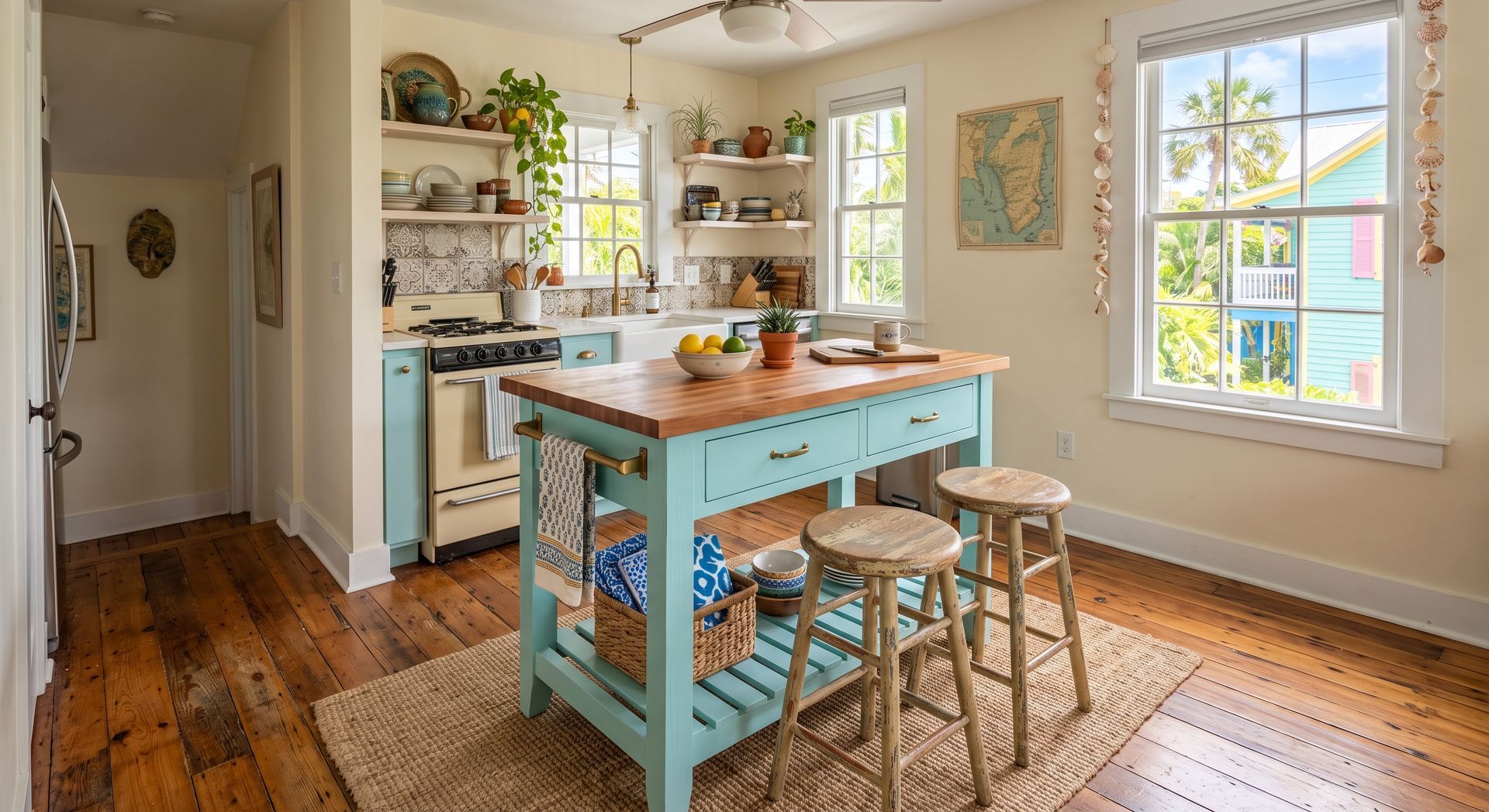
Modernize Kitchens Within Historic Layouts
Many Conch homes have narrow, compartmentalized floor plans. Rather than removing all walls, strategic opening of spaces can improve flow while maintaining structural integrity.
Options include:
- Widening doorway openings
- Adding pass-through windows
- Incorporating built-in cabinetry for storage
- Using custom woodwork that matches the home’s character
The result feels updated—but not out of place.
Improve Bathrooms with Moisture Control
Older homes often lack proper ventilation. Upgrading bathrooms with:
- Modern waterproofing systems
- Proper exhaust ventilation
- Mold-resistant materials
- Custom vanities built for humid climates
Improves durability without altering the home’s visual charm.
Reinforce for Hurricane Safety
Conch houses were built for airflow, not modern hurricane codes. Today, reinforcing structural elements is essential.
Common upgrades include:
- Roof tie-down systems
- Impact-rated windows and doors
- Reinforced framing connections
- Updated fasteners and hardware
These upgrades improve safety and insurance eligibility while remaining discreet.
Additions to Historic Homes: What’s Allowed?
Adding square footage to a Conch house is possible—but tightly regulated.
HARC generally requires:
- Additions placed toward the rear of the property
- Rooflines that complement the original structure
- Materials consistent with historic character
- Proper scale and proportion
Designing an addition that feels seamless rather than obvious requires thoughtful planning and architectural sensitivity.
How Long Does a Historic Remodel Take?
Timelines for Conch house renovations are typically longer than standard remodels due to:
- Historic review approvals
- Permit processing
- Specialty material sourcing
- Structural repairs uncovered during demolition
A kitchen or bathroom remodel may take 8–12 weeks.
A whole-home renovation or addition can extend to 6–9 months depending on scope.
Planning ahead is essential, especially if the property is used as a vacation rental.
Why Experience Matters in Historic Renovations
Not every contractor understands the balance between modernization and preservation.
Historic remodels require:
- Knowledge of local regulations
- Experience with older framing methods
- Custom carpentry skills
- Attention to architectural detail
- Respect for neighborhood character
At Liz Carpentry, our team approaches each Conch house as a piece of Key West history—not just another construction project.
Protecting Your Investment
Remodeling a historic Conch house isn’t just about aesthetics. It’s about protecting:
- Structural integrity
- Long-term property value
- Insurance compliance
- Cultural heritage
When done properly, updates enhance comfort while preserving what makes these homes special.
Ready to Renovate Your Conch House?
If you’re considering remodeling your historic Key West home, start with a consultation. We’ll review your property, discuss your goals, and guide you through the approval and permitting process step by step.
Call (305) 294-5861
Email: office@lizcarpentry.com
Visit us on Google Maps
Let’s preserve the charm of your Conch house—while building it to last for generations to come.